Stranger Than Fiction

Here’s a screenplay pitch for you. Psychology professor by day, undercover cop by night. Not just an undercover cop, but an undercover cop posing as a hit man. In this least, I hope you say, “Go on.” On top of that basic premise, this psychology professor is the kind of forgettable, mild-mannered dweeb you fist imagined, but his hit man persona is a mix between Dirty Harry and John Wick. And as his college classes delve into questions about id and identity, he starts to wonder who he really is. When we get to the crisis moment, however, he’s no longer wondering if his true calling had always been undercover cop. He’s wondering if his true calling had been a real hit man.

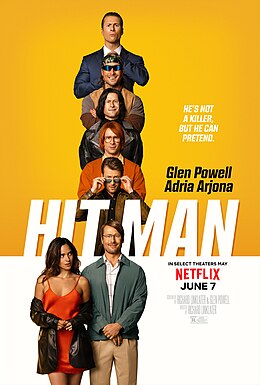
That’s the premise of Richard Linklater’s Hit Man on Netflix. Seems like a surefire blockbuster. It’s even based on the true story of Gary Johnson, a psychology professor who had been moonlighting as an undercover cop for the Houston Police Department in the 80’s and 90’s. He’d been profiled by Skip Hollandsworth in Texas Monthly a few years ago. The problem, however, is that Linklater cleaved too closely the source material, creating a decent biopic rather than a blockbuster movie. I want to briefly delve into what didn’t work. 

The big problem with this movie is that screenplays are complete fictions. While they may be based on real life, they are not real life. Real life is chaotic and absurd. Screenplays (hopefully) are not. Everything in a screenplay should be intentionally placed there to form a tight, cohesive narrative–a sort of logical argument. If A, then B; if B, then C; and so on until you end up with hopefully a logical and fulfilling conclusion.

I’ll defer to Anton Chekov here who rephrases what I’m trying to say much more directly and cleanly. “If in the first act you have hung a pistol on the wall, then in the following one it should be fired. Otherwise don’t put it there.” The screenplay for Hit Man, however, includes numerous unfired pistols. These come directly from Hollingsworth’s source material, and while they are fascinating glimpses into the human psyche, they do not progress the narrative or Gary Johnson’s growth as a character. (Keep in mind here that Gary Johnson the character is different than Gary Johnson the person.)

Here are three bizarre, true anecdotes from Hollingsworth’s article that Linklater chose to keep in the movie (despite their irrelevance to Johnson’s story). The first is an example of how a person starts looking for a hit man: a seedy gentleman asks a stripper(?!) if she could recommend anyone. Second, Hollandsworth writes about a teenager who wanted to off one of his classmates (changed to his mother in the movie). Third, he relates a family inheritance dispute that ends up with a brother forgiving his sister for trying to hire a hit man. The judge in the case grants her probation. All three of these anecdotes are crazy and fascinating, but I argue that you could cut them without losing anything. In fact, you’d have a better movie, and here’s why. 

Go back to that first paragraph I wrote. If this movie is exploring whether or not Gary Johnson wants to become a real hit man, how exactly does the high school student fit in? Why is it important for the audience to go to the strip club and eavesdrop on two characters (the seedy patron and stripper) who we’ve never met and will never see again? In short, it’s not. 

This is Gary Johnson’s story. Those scenes are deviations from that story. While they do show the diversity of clients that Johnson must deal with and his ability to read a variety of clients, we have another dozen characters in the “Undercover Gary Montage” that do the same thing. That makes those scenes unnecessary. Worse, it also makes them confusing. 

At the point where we meet the teenager, this movie has established that Johnson is working with a variety of unsavory people and becoming increasingly comfortable in his role as a “hit man.” If we, the audience, see a deviation from norm that the screenplay has established for unsavory people (in this case because of age), the teenager becomes Chekov’s gun. We expect the story to pivot at this point. There is a complication to the movie’s “ordinary world.” The main protagonist must overcome this new obstacle and learn something about themselves. But…he doesn’t.

The other two scenes operate in a similar fashion. While they’re both interesting anecdotes (How does someone find a hit man? What happens after you learn that someone hired a hit man to kill you?) they aren’t central to the plot. They don’t tell us anything about Johnson’s new identity. Instead they introduce irrelevant characters and locations. They are “pistols” that never get fired. In the logical argument that is Gary Johnson’s story, they are Red Herrings. 

It’s important to point out that Gary does have a meeting with a unique client that causes him to change his entire operation. Madison Masters is an attractive young woman trapped in an abusive relationship. Rather than going through with the sting, he suggests she get out of the relationship. He also begins to wonder if some people are, perhaps, legitimate targets for a hit man. That’s the crux of the movie. This is where things get interesting. This is in fact the inciting incident. Those other three anecdotes should have been left in the Hollingsworth’s profile piece.

Additionally, the movie suffers from an overused, uninteresting voiceover. And Gary Johnson’s character fails to adequately differentiate his “real” self and his hit man persona. What are we left with? An okay biopic that takes a handful of major liberties from the source material. As Hollandsworth’s original article proves, the truth is often stranger than fiction. Good fiction, however, is far more focused than reality. 

Ceci Continue de ne pas Etre une Pipe

Photo manipulation is nothing new, and for anyone growing up in the digital age, Photoshop has morphed from a proprietary digital editing program into a verb. Taking it a step further, Google Pixel’s Magic Editor puts Photoshopping right into the palm of your hand. The smartphone app allows you to move, resize, or even delete items from an image. Not happy with what your camera captures in the first place? Canva, Dall-E, Firefly, and other software lets you conjure up any image you can verbalize. Don’t feel encumbered by your lack or experience or, for that matter, reality. We used to say, “It’s only true if there’s pictures.” That’s certainly not the case any more. But was it ever?

In the commercial and theatrical world, professional filmmakers intentionally alter reality. They use all kinds of tricks to make things intimidating, pretty, ugly, or endearing. Makeup, costumes, and lighting turn a perfectly charming Emilia Clarke into the Mother of Dragons.

But these tricks are still in play even if you don’t use them intentionally. Here are two pictures of a friend of mine at a mud run.

IMG_8313
IMG_8322

In the first, you can clearly see the falling rain. (No, those aren’t orbs…) In the second, you can see that it is still raining if you look at the water. But the change of angle and focal length means you can no longer see the falling rain. (This is the same reason why it sometimes looks like it’s barely sprinkling at rained out sporting events.) I didn’t hide the rain intentionally, but that’s the reality of the situation.

The important thing to remember is, consciously or not, all media is an interpretation of reality. When you’re on vacation and take a picture, it captures some part of the moment, but it isn’t a recreation of the moment. You’re limited by the abilities of your camera. You choose to photograph the Grand Canyon not the parking lot next to the Grand Canyon. You crop out the guy wearing that ridiculous Hawaiian shirt. And what about the people in your photo? Are they like my nephew, who for two years refused to smile any time someone pointed a camera at him? Or do they ham it up for the camera in the hopes of becoming an internet star?

This is nothing new. Film has been an interpretive art since its inception. Below are two of the earliest war photographs ever taken. These are from the Crimean War in 1855, twenty-three years before the first movie was made.

canonball2
canonball 1

Both show a scene of desolation strewn with cannonballs. But it’s the second one that would make photographer Roger Fenton famous. Simply put, it’s a more striking photograph. Fenton wanted to show the horror and destruction of war, but he was restricted by his cumbersome film equipment. His solution? Move the cannonballs onto the road to take advantage of the high contrast. Although it was much more labor intensive than Photoshop, it’s the same basic principle. He altered his photo for effect. He sought a deeper “Truth” that wasn’t reflected in “reality.”

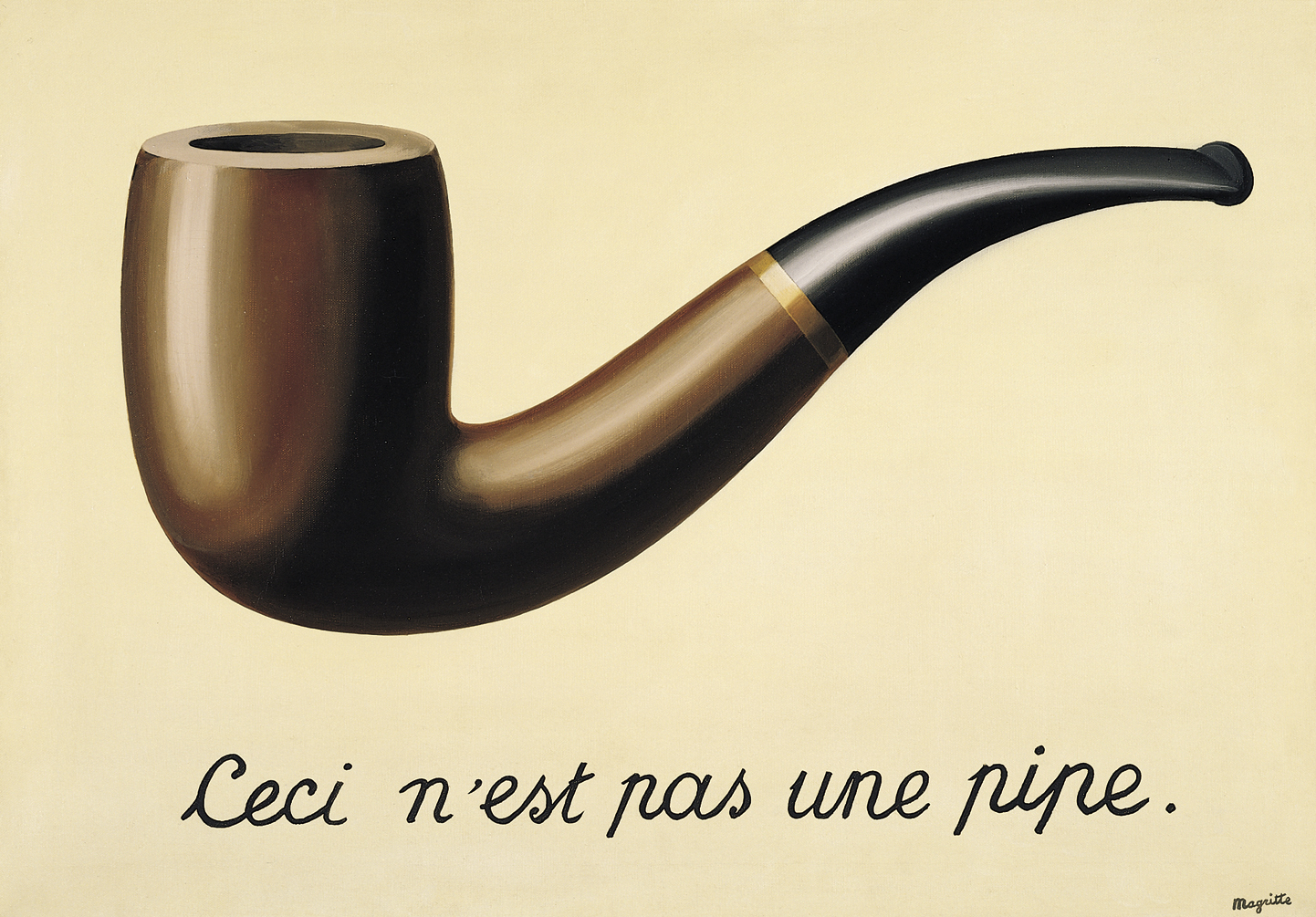
In the late 1920s, surrealist painter Rene Magritte created this thoughtful painting called “The Treachery of Images.”

the-treachery-of-images-this-is-not-a-pipe-1948(2)

If you don’t know French, the text reads, “This is not a pipe.” Of course it’s not a pipe. It’s a painting. It represents a pipe. Our brains conceive of it as a pipe, but it is not a pipe. The same holds true for all media.

A definition might be helpful here. Media is the plural of medium. The two definitions that come to mind are medium (size), as in the size between small and large and medium (fortune teller), as in someone who communicates between the living and the dead. Both contemporary definitions share the same Latin route, medias, which simply means middle. It shouldn’t surprise you that our news sources are generally referred to as “the media.” They are the middlemen. They transport ideas from the source to us. But along the way, they must interpret it.

Media is also used in the art world to describe the material that an artist uses. You may see the phrase “mixed media on canvas.” This medium might be oil paint, latex paint, clay, canvas, silk, steel, analog audio recording, digital video recording, computer programs, or even food. The point is, the artist interprets the world through this medium. Film, as an artistic endeavor, is its own medium. But never forget that the six o’clock news, the news radio traffic report, and the Wall Street Journal all operate in artistic mediums. To explain in more detail, I’d recommend listening to Malcolm Galdwell’s Revisionist History podcast from a 2017.

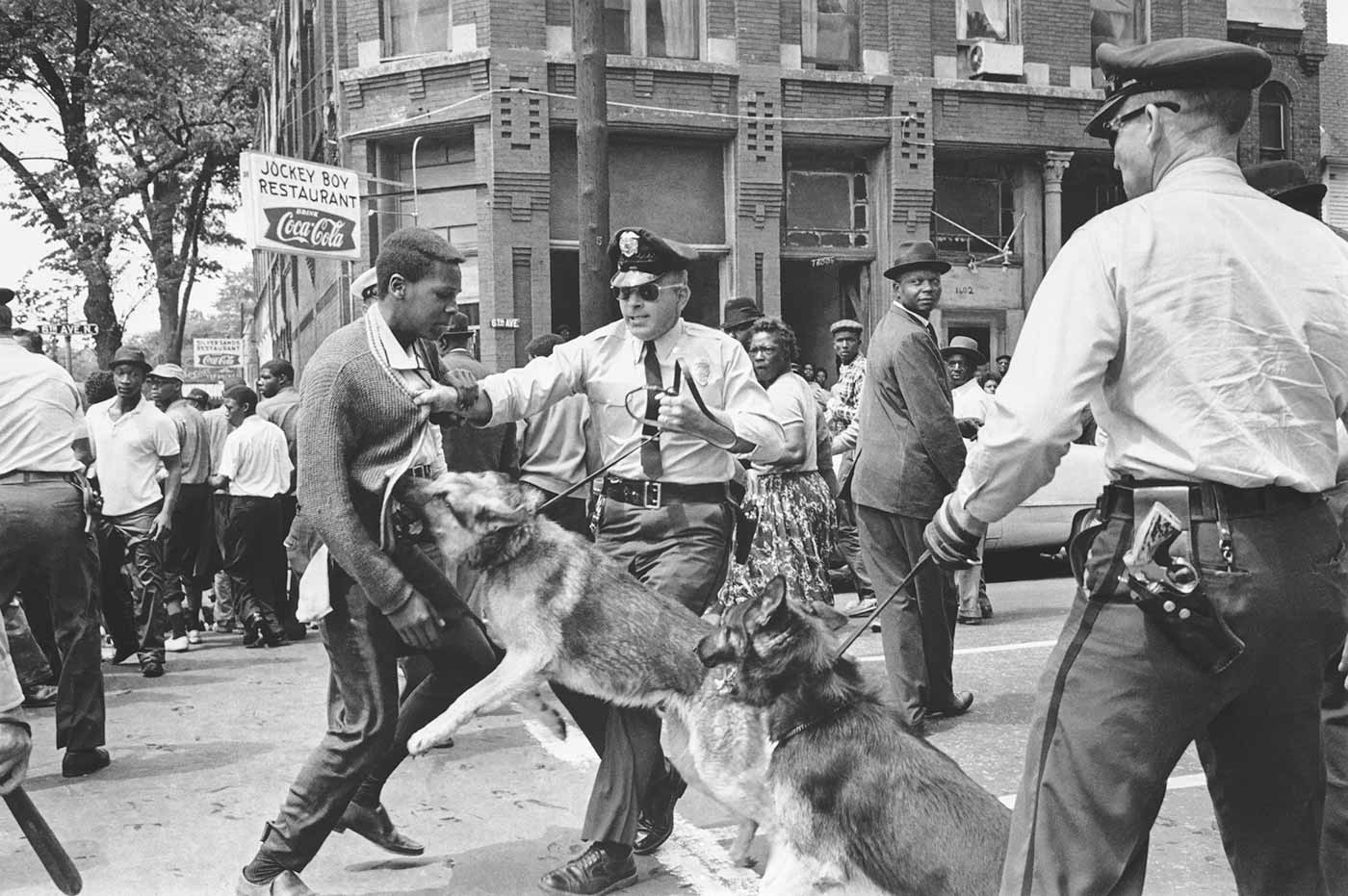
In it, he discusses this famous photograph from Birmingham in 1963.

footsoldier

It seems to show a police officer unleashing his dog on a black protester. But it doesn’t. The man in the photograph wasn’t part of the protest. He wasn’t a “Foot soldier,” as the Civil Rights activists called themselves. And the police officer hadn’t unleashed his dog on him. If you look closely, both men seem surprised and the police officer is leaning back, trying to pull the dog away. But that’s not what the nation saw.

This photo highlighted the brutality of the Jim Crowe south. It represented the discrimination, the institutionalized hate, and the lynchings. It shifted public opinion to the side of the Civil Rights movement, and it was all done on purpose. Bill Hudson, the photographer, chose this picture over the hundreds of other photos he had taken that day. The editor of The New York Times chose to put this story above the fold rather than any other news of the day. This is what a medium does. It takes the raw data, curates it, interprets it, and disseminates a cohesive message. In doing so, a medium must disregard data that fails to support its message or obfuscate its position. In its quest for “Truth,” it must necessarily deviate from “reality.”

To further clarify, look at Ronald S. McDowell’s statue inspired by Bill Hudson’s photograph.

footsoldier2.jpg

The figure representing Walter Gadsen, the student, is considerably younger and shorter than he was in reality. The police officer is emotionless and inhuman, reminiscent of T-1000 from Terminator 2: Judgment Day, which came out four years before the sculpture was dedicated. The police dog’s mouth is wide open, bearing vicious, anatomically improbable fangs. But remember this is a piece of art. This is not a pipe.
The push and pull between film as art and film as documentation will never end. But as a filmmaker and consumer of media, it’s important to acknowledge that film is a medium. It is not reality. There is no magic bullet, no enforceable code of conduct, no ten commandments of filmmaking that will ever make film purely objective. Reality is reality. Film is film. The best thing you can do as both a filmmaker and a consumer is educate yourself.
It’s important to learn about technology, to learn what is possible and how to spot a fake. But it’s also important to learn about art. You know—art, that thing that gets cut when we want to tighten school budgets. Learn about artistic conventions. Learn to read the meaning behind how a frame is composed, how set decoration reinforces the theme, and how story arcs are constructed. Understand that models and movie stars are just people, too. Play with AI. Appreciate the complex and tragic story of Aaron Copland and Fanfare for the Common Man (examined here in another great podcast). See the allegory between Game of Throne’s White Walkers and climate change. Learn how Proust’s understanding of memory preceded neuroscience. Discover the 1920 play that introduced the word robot and the idea that robots are out to kill us. And, above all, recognize that just because you see a video of something doesn’t mean it’s reality. In fact it’s not reality. It’s just a video. And while there will be a degree of objective truth in it, there will always be a degree of the artist’s truth. After all, it is a video. It is not a pipe.
*NOTE: An earlier version of this blog appeared on this site in 2017. This version has been updated to reflect technological advances, specifically AI.

Guns Don’t Kill People, Toxic Individualism Does.

Image via: https://www.kob.com/new-mexico-news/crew-member-sues-alec-baldwin-others-over-lsquorustrsquo-shooting/6297201/

After Alec Baldwin accidentally shot and killed cinematographer Halyna Hutchins on the set of his movie Rust, many people have been wondering why films even use real firearms. After all, (spoiler alter) Star Wars doesn’t use real lightsabers and Jurassic Park doesn’t use real dinosaurs. Why should westerns and cop shows use real guns?

Largely, I agree with this argument. Firearms present an unnecessary risk on a film set. But if we ban firearms in films, we’re avoiding the bigger issue, and it’s not just a problem in Hollywood.

I’ve observed a pervasive attitude in the United States that rules are for suckers, regulations only exist to hinder progress, and anything is legal as long as you don’t get caught. This is a shortsighted, toxic attitude. It’s the kind of thinking that led to nine people dying at the Astroworld Music festival last week and eleven people drowning in illegal basement apartments in New York during hurricane Ida. It’s the same narrative that has led to injuries at Tesla’s Gigafactory 1 and, before that, its plant in Fresno. It’s the same kind of thinking that killed Sarah Jones on a movie set in 2014. (No firearms were involved in that incident.)

I think this general attitude can be appropriately described as “toxic individualism.” It’s a belief that I have a right to say and do whatever I want at any time I want without consequences. It’s a belief that rules don’t apply to me. It’s a belief that personal choices are not influenced by social constructs nor do they affect the people around us. To be clear, individualism itself is not a negative concept. Some degree of personal independence is healthy and rewarding. But extreme individualism at the expense of everything else-individualism that tramples on other people’s rights-is downright deadly.

The issue on the set of Rust was not that the filmmakers were using firearms; the issue was that they were not following well-established guidelines for handling firearms. I’ve been on sets with explosive, guns, helicopters, boats, pyrotechnics, car crashes, fight scenes, and hundreds of extras wielding swords. I was perfectly safe on all of them. The most dangerous sets I’ve been on are the ones where production rushed the crew, ignored the safety recommendations of more experienced crew members, or flouted industry standards altogether. There is nothing clever, artistic, or thrifty about putting people’s lives at risk.

I’m not opposed to banning firearms on set, but that’s not going to solve the problem. We need to disabuse ourselves of the idea the rules apply to everyone else. The rules only work when they apply to everyone. And we need to start calling out our colleagues and employers who think they can cut corners and take shortcuts. It takes guts. Reports from the set of Rust state that crew members walked off the job shortly before Hutchins was killed. It’s not easy to stand up to Alec Baldwin or Elon Musk. It’s going to take a sea change in American culture for worker safety to take priority over profits. Fortunately, we don’t have to do it alone.

Individualism may be American, but so are unions. Unions built this country. They led the fight for the weekend, overtime pay, minimum wage, health insurance, and banning child labor. If the crew of Rust had been following IATSE’s firearms regulations, Halyna Hutchins would still be alive.

Eliminating toxic individualism will not be quick or easy. Like anything that’s worth doing, it will take time. Appropriately, it’s important to recognize that you aren’t alone in the fight. Educate yourself about your rights as a worker and a consumer, participate in the processes that negotiate these rights, and reach out to the unions and organizations that are trying to make America a better place for everyone.

Should we ban firearms on set? Sure. But while we’re talking about it, let’s talk about the root of the problem, as well. Let’s ban toxic individualism, too.

The Death of the Artist

In his book, The Death of the Artist, William Deresiewicz laments the decline and fall of the blue collar, professional artist. And while he unpacks a variety of legitimate and terrifying issues such as the unravelling of historic institutions and the job gobbling monster that is big tech (problems that affect everyone, not just artists), I feel like he misses a certain perspective about the motion picture industry. While the industry manages to sidestep many of the issues plaguing other artistic endeavors, it’s not avoiding them altogether. Because it’s a complex, multi-layered situation, I think it might be instructive to look at the motion picture industry through the three specific lenses: technology, art, and business. 

Technology (What is film?)

Deresiewicz differentiates between television and film, but it’s an arbitrary distinction. With the exception of the live or live-to-tape multi-camera shoot, production crews make feature films, television shows, and used car commercials the exact same way. Only a decade ago, we filmed thirty-second lottery commercials on 35mm Kodak. The question of “what is a film” has less to do with being “filmed” than how the content is delivered to an audience. 

In that regard, feature films suffer from a major constraint: they need to be long enough to justify the price of admission but short enough to satisfy an audience before their legs fall asleep. To do that, many films rely on tropes and cliches to keep a story moving forward. The boom in quality television over the last decade has allowed filmmakers to explore more interesting stories in more depth than they ever would have been able to on the silver screen. 

Are movie theaters dead? Well, not quite. Some nostalgic urge to hit the town and see a show will linger indefinitely. Movie theaters have yet to kill live theater, and a black and white silent movie won the Oscar for best picture in 2011. I can guarantee that ninety-minute visual storytelling will live on. It is true, however, that certain low-to-mid-budget genres are not currently profitable. Nevertheless, I’m not fully convinced that it’s a bad thing or that the trend won’t change.

Art (Are filmmakers artists?)

Deresiewicz defines four paradigms of artist: artisans (or craftsmen), bohemians, professionals, and producers. It’s the professionals—working artists who own houses and have dental plans—that Deresiewicz is most concerned about in his book. Chapter after chapter outlines how writers, painters, and visual artists fight for the crumbs of an ever-shrinking pie while struggling to find time to develop their art. And yet, in 2021, television and film are actually doing okay. 

One of the big things I need to point out here is that television and film straddle the worlds between art and commerce more than other industries. True, you’ve probably heard of writers who cut their teeth in the newspaper industry (when that was a thing), but very few renown painters started off whitewashing fences. 

On a film set, any given crewmember may have spent the previous day filming a television show or commercial. Disappointingly to most crewmembers, that often means that they’re capable of delivering a much higher quality product than the used car company requires, but it also means that art and commerce move around freely in the same space. Similarly, scenic painters, carpenters, costumers, and camera operators are highly educated, incredibly talented artisans operating at the top of their game. Not only do they need the vision to offer their own artistic input, they need to be able to shift gears to cater to someone else’s vision or mimic a historical style. 

In that way, filmmakers really match Deresiewicz’s first paradigm—the artisan—and I think it’s a good model to follow. Although it really doesn’t matter to the IRS, Deresiewicz’s paradigm poses an interesting question: “Are filmmakers artists?” That’s hard to say. If Deresiewicz is looking for talented individuals who work in a creative discipline and can afford middle class lifestyles, then yes. We’ve found a winner. But if you define artists as individuals who create things that make you question and challenge the world… well maybe not. The two aren’t mutually exclusive, but the latter is far less economically viable.

It’s also worth pointing out that filmmakers have always been “gig” workers. A crewmember (even a director) may have multiple employers in a single week. By and large, the thing that enables filmmakers to buy houses and get dental plans is unions. As people are trying to cobble together livings by working Uber and Door Dash, I can’t stress enough how beneficial it would be to unionize. 

Business (Are moving pictures safe from a flood of amateurs?)

On page 220, Deresiewicz states, “Film and television have a final advantage over arts like music or writing. Amateurs do not pose any threat because no one is ever going to mistake what they do for the real thing.” I have to disagree with him there. As technology has decreased cost, it’s become easier and cheaper for people to produce video content. Whether their productions can be considered art or even “feature films” is another matter. Birdemic is a prime example. 

If you think I’m being dramatic, you haven’t noticed how much content Gen Z watches on YouTube. Poor production quality has become synonymous with verisimilitude, and young viewers have managed to lower their standards below even “reality TV” quality. True, in the world of fiction, no one’s going to mistake Tommy Wiseau for the next Spielberg, but it’s a troubling sign if you recognize the names Tommy Wiseau or Birdemic.**
The bigger problem here is that as audiences accept lower quality, they refuse to pay for higher quality. Consequently, production companies refuse to pay as well. Just earlier today, I was speaking with a coordinator who lamented that the latest money-saving trend is to not hire location managers. And after a year of looking at everyone’s terrible lighting skills on Zoom, I’m afraid the bar for quality has been irreparably lowered. 

Where does that leave us?

Although not artists in the Van Gogh or even the Andy Warhol sense, filmmakers do work in creative fields, and they can make a decent living. Artisans produce work that is beautiful and functional. Their work may be thought provoking but is seldom a “think piece.” In other words, film—and all twenty-first century art—needs some utility or usefulness (see The Death of the Artist pages 272-273). Within this paradigm, artists are producers. I like this concept. It’s more democratic and egalitarian than the concept of elite geniuses sprinkling culture to the plebes. Artists are useful members of society who produce goods that can also be beautiful and thought-provoking. 

Consider the gorgeous pattern on this 1100-year-old Peruvian tunic. It is beautiful and useful, and I doubt that the person who made it had an MFA. Source: https://museum.gwu.edu/indigenous-american-textiles https://museum.gwu.edu/indigenous-american-textiles

That being said, our society is continuing to devalue labor and expertise. There’s no easy fix for this, but there is, perhaps, a silver lining. Art, throughout the ages, has always helped humanity cope with change and reframe tragedy into something that we can—if not understand—at least articulate. In the twenty-first century, art is not only doing this job metaphorically but literally instructing us on how to make a new economic paradigm. If you have a chance, check out Deresiewicz’s book. And if not, at least take a moment to check out some art. 

**In many ways, Canon’s 5D Mark II, the first SLR camera to shoot full high-definition video, marked a depressing turning point. In 2009, every film school grad with $3,000 suddenly thought they were a director of photography. Today, the image quality and editing ability of a smartphone are more advanced than the professional digital equipment I used in the early aughts. But to reiterate a point Deresiewicz makes over and over again, just because some can paint or film or sing does not mean they have the professional experience or artistic eye to be an artist.

Smoking Pipes to Smoking Guns: The Deepfake

Two years ago, I wrote a post about some new technologies that were allowing video editors to create realistic videos of things that never happened. Today, we call them “Deepfakes.” I think it’s worth a re-read. In it, I argue that education–particularly arts education–is the most effective way to combat the Deepfake. After all, Deepfakes aren’t really new. We’ve been dealing with “fake news” and propaganda for hundreds of years. How would you have responded to this story from February of 1898? The U.S. went to war.

USS_Maine
Image Source

But it did have me wondering. What do we do with a Deepfake? How should we treat some kind of shocking video or audio revelation? I don’t exactly have a checklist, but I think we need to look at scandalous revelations holistically. What else supports this shocking news? Do the facts add up? Where did the evidence come from?

The problem is (and I acknowledge that Hollywood is largely at fault for perpetuating this myth), we are obsessed with the “smoking gun.” There will be some single, irrefutable piece of evidence that proves our point and wins the day. But as I say repeatedly on this blog, movies aren’t real life. “Smoking gun” evidence rarely exists, and when it does, it’s usually not enough to prove much of anything.

Strangely, Trump’s infamous “Access Hollywood” tape offers a perfect case study for Deepfakes. Here we had a presidential candidate caught red handed saying absolutely repugnant things about women, about mothers, daughters, sisters, friends, and loved ones. The Democrats thought this was it for his campaign. They finally had hard evidence of what a narcissistic, sexist pig he was. But it didn’t matter.

Everyone already knew all of that. They knew he didn’t respect women. They knew he was vulgar. They knew he was lewd. It didn’t matter. Trump didn’t even try to deny it. He could have decried it as a Deepfake, but he didn’t need to. The smoking gun was just that, all smoke and no fire.

Is it possible for some video of dubious origin to crop up at an inopportune time in efforts to sway the public’s mind? Yes. Should the NSA stay abreast of Deepfake technology? Of course. But I think the situation is overblown. McKinley didn’t need video evidence of the Maine explosion to invade Cuba in 1898. Bush didn’t need video evidence of WMDs to invade Iraq in 2003. The question is less about what kind of evidence we have and more about what kind of sources we gather that evidence from. Keep that in mind as the conversation continues.

Screenwriters, do yourselves a favor.

HBO recently released Craig Mazin’s miniseries ChernobylWhile nothing in this life is perfect, Chernobyl comes pretty darn close. From acting to directing to art direction to sound design, Chernobyl is a masterclass in filmmaking.

But the biggest story is probably the story itself. In the television world, screenwriters hold the creative power and, as writer and executive producer, Mazin made a variety of bold and effective decisions. For example, the explosion takes place in the first few minutes of the mini-series. He doesn’t make the audience sit through a lengthy first act or ordinary world, and it’s spectacularly powerful. But his reasoning behind the decision is what will really make things click for filmmakers.

In addition to the show, Mazin recorded a companion podcast with NPR host Peter Sagal to accompany each episode. In it, he explains his creative decisions. He shares insight about story structure, adapting true stories, portraying gore on screen, sound design, and even accents. It’s entertaining, engaging, and informative. It’s unfiltered information coming from a filmmaker at the top of his game.

Taken together, Chernobyl and the companion podcast are worth far more to aspiring filmmakers than anything you can find in a university catalogue. The podcast is free and HBO Now has a 7 day free trial. You have no excuses. If you want to learn about the craft of filmmaking, Chernobyl is a must.

Why Are Night Scenes Blue?

You’ve either seen it on one of those posts that point out some of the ridiculous “things we’ve learned from movies” or maybe you’ve even noticed it yourself. But right there along with always finding a parking spot in front of the courthouse and every tank you shoot with a bullet is highly explosive, you’ll discover that everything at night is perfectly visible, but slightly blue. What’s up with that?

Well, the first thing is, it has to be visible. As I mentioned in a previous post, film is a method of preserving light. No light? No movie magic. Blue helps indicate that something different is going on, mainly the passage of time. It’s one of those subtle things that Hollywood hopes you pick up on, but don’t really notice. But why blue?

Color Temperature

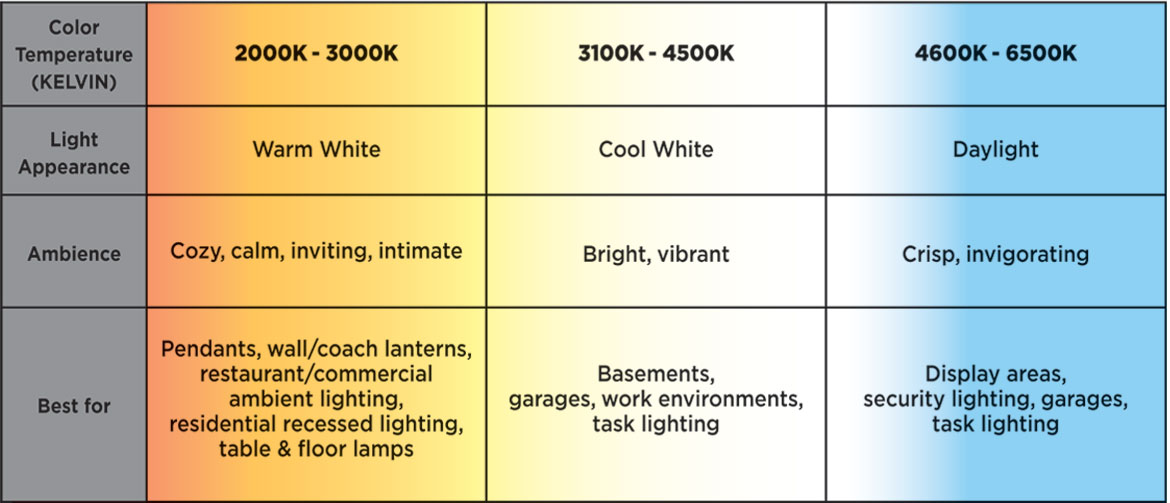
If you’ve been shopping for lightbulbs recently, you’ve probably seen this little diagram.

LED-Kelvin-Color-Temperature-Landing-Page_09

That’s right. Lights are different colors. Chances are, you’ve never even noticed this before. Your brain has a habit of calibrating to subtle differences. That’s why you don’t go insane with all of the noise in a city and you stop noticing the tint on your rose colored glasses after a while.

A Look At The World Through Rose-colored Glasses.

But if you pay attention, you’ll start to see nauseating scenes like this.

LED Hell
Image Source

Filmmakers put a lot of effort into making sure this kind of catastrophe never appears on the big screen.

The thing is, you really don’t notice the different colors on their own. If the entire wall were orange or blue or green, the lights would have that distinct hue, but your brain would tune it out. It’s the comparison that makes it noticeable. What color is the sun? Well, it looks pretty blue when you compare it to a campfire.

campfire

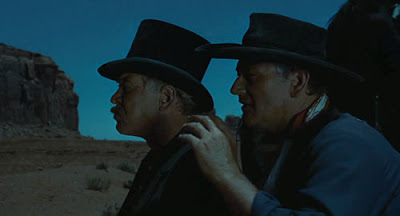
Moonlight, after all, is just reflected sunlight. I don’t know about you, but I’d say that night scene is pretty blue looking.

The other major source of light we’ve had as humans has been the incandescent lightbulb, which also glows at a warm orange 3200K*.

lighted string lights hanging
Photo by Vitaly Vlasov on Pexels.com

So why color temperature?

There’s a bit of physics involved here, but the basic idea is that if you heat something to a particular temperature without it bursting into flames, it will start glowing. So an incandescent bulb (which glows because it’s being heated) is, in fact, pretty close to a temperature of 3200K.

Daylight is measured between 5500K and 6500K. The sun’s light is diffused by the atmosphere, so it’s a little bit of a moving target. But the actual surface temperature of the sun? 5778K. Not too shabby.

Fluorescent lights and LEDs  do not use heat to produce light, but are still measured on the same scale.

More Science

Human eyes detect light with two different kinds of cells: rods and cones. Rods simply detect light, not color. Cones are sensitive to particular wavelengths of light and separate out small (blue), medium (green), and long (red). The other colors are made by blending wavelengths. At low light levels, only your rods will activate and the world will be a series of shadows and silhouettes. But as more light is introduced, the small cones may be activated, and you’ll start to see a little bit of blue first.

So don’t feel blue the next time you’re riding off into the moonlight, even if everything may look it.

Day_for_night

*Color temperature is measure in Kelvin (K), named after Lord Kelvin who created the absolute temperature scale. Since 0K is so cold molecules would stop moving, it’s also called absolute zero. (Yes, Andre 3000, that’s cooler than being cool.) Also, Kelvin is just Kelvin, not degrees Kelvin.

The Last Watch. Thankfully.

On Sunday night, HBO suckered Game of Thrones fans in for what was touted as a two-hour behind-the-scenes documentary, a glimpse into the magic of the making of Game of Thrones. I’ve seen most of the bonus features on the Game of Thrones Blu-rays. They’re well-produced and informative. This sounded like it would be a great retrospective on the series and an emotional farewell tour. Instead, HBO gave us a cloying, aimless, slice-of-life piece that ranks somewhere between a vacation slideshow and college project. 

There are plenty of behind-the-scenes shots in The Last Watch, but they completely lack context or explanation. My wife called it pretentious. “It’s like they’re saying, ‘You don’t understand what we do, and we’re not going to explain it to you.'” I agree. Hundreds of people worked on the show, but the documentary only covered a handful of crew members and none of them very well. No one from the camera, grip, electric, props, sound, video, or AD departments were interviewed. There was no story. There was no narrative (ironic for a show whose finale centers on a speech about great stories). There were some heartfelt moments, such as when makeup artist Sarah Gower explained that because both she and her husband worked on the show, neither of them were at home with her daughter. Sad? Yes. A two hour story? No.

In many ways, it felt as though these crew members had drawn short straws and were being saddled with the BTS crew because no one else wanted to talk to them. That may have been the case, but the documentary did have a way out. Andrew McClay, a background actor who played a Stark soldier for multiple seasons, seemed to love the BTS crew. He was the perfect, humanizing connection between an epic fantasy series and the audience at home. Just an average Joe trying to make a living. But the documentary failed in some very basic ways to craft that story. Can we see where Andrew lives? What did he do before GOT? How did GOT change his life? What do his friends and loved ones think of all this? With so many unanswered questions, maybe he’ll get a spinoff series…

The documentary avoided discussing creative decisions in the final season, in depth interviews with major cast members or the show’s creators, or even a broad representation of the cast. Fingers crossed, those things will appear in the Blu-ray. Last night however, we were given a voyeuristic opportunity to fawn over Emilia and Kit (or Keeeet as the Spaniards call him) and a very brief glimpse at the humanity of a very small slice of a very large crew. Not exactly the kind of documentary quality I’ve come to expect from HBO. Did it fill two hours of programming and keep some of Game of Thrones fans tuning in for another week? Yes. But it could have been so much better.

Lights, Camera, Action (Part 2)

Psychology of Lighting

Like all aspects of filmmaking, lighting has subtle, psychological effects on the audience. Knowing what these effects are and knowing how and when to use them will greatly enhance any film you make.

Low Key*: Darkly lit or low light scenes evoke a sense of mystery and danger, like this shot from The Shape of Water. 

shape-of-water-online-678x381
Image Source


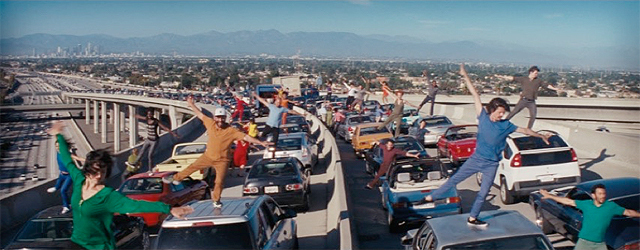
High Key: Brightly lit scenes like the opening of La La Land tend to be happier.

1-lalaland
Image Source


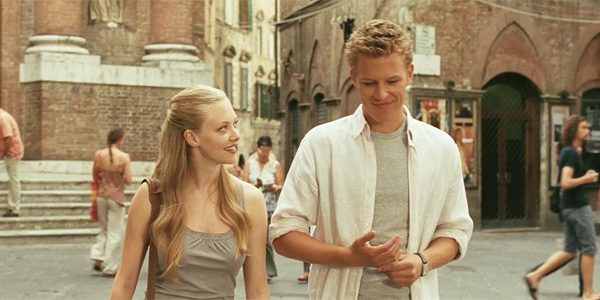
Soft Light: Few or poorly defined shadows create a sense of fantasy. For example, I find dragons and armies of undead more realistic than the fantasy world created in Letters to Juliet.

letters-to-juliet-christopher-egan-1-600x300
Image Source


Hard Light & High Contrast: Well defined shadows create a grittier look like Sin City.

MAC34_SIN_CITY_CAROUSEL01.jpg
Image Source


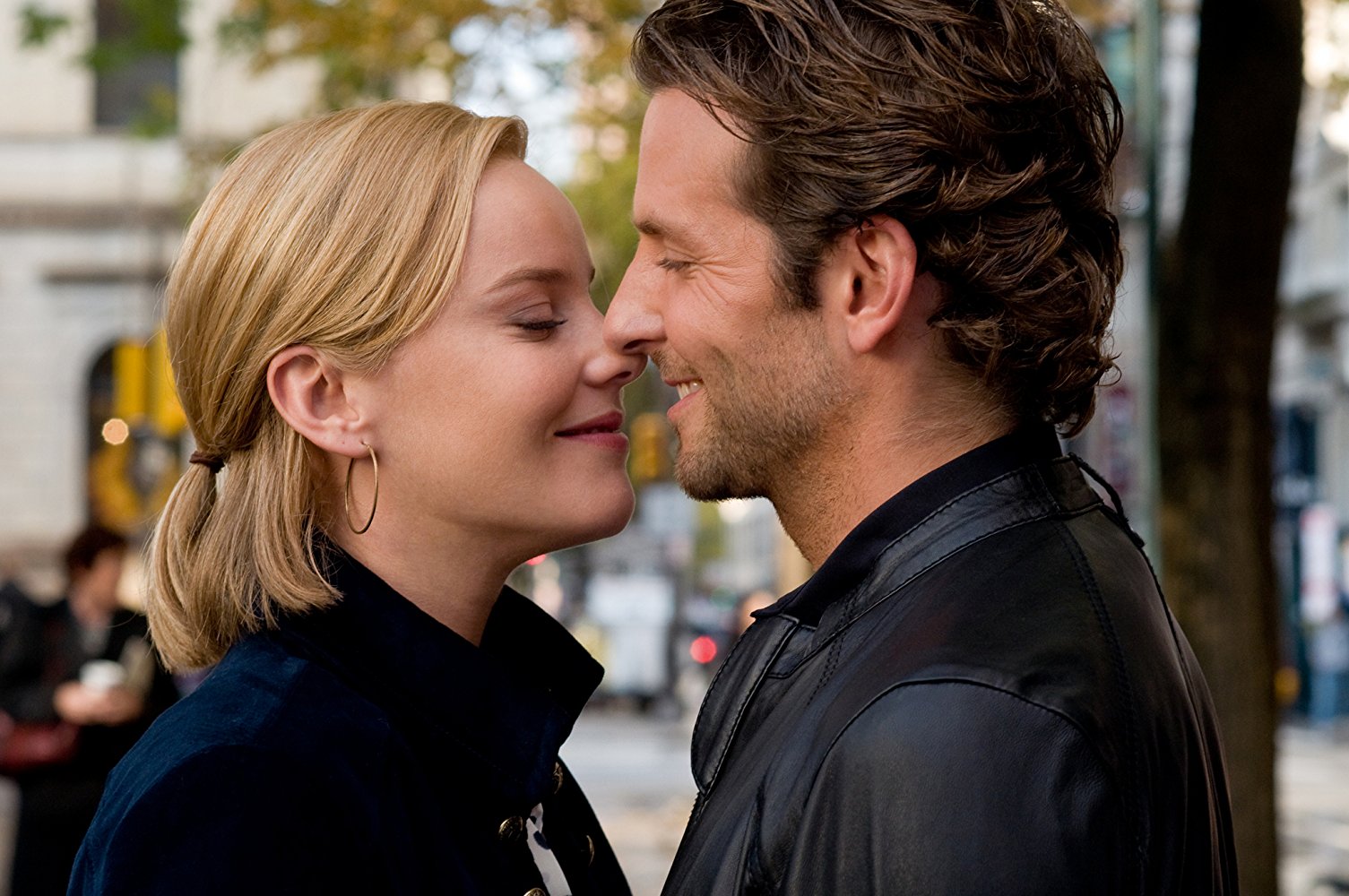
Warm Colors: Orange hues can evoke warm feelings and romance.

Limitless Orange
Image Source

Cool Colors: Blue is used to create a sense of cold or uncaring.

Limitless Blue
Image Source

The previous two images are both from the movie Limitless. You’ll notice the color difference the most by looking at Bradley Cooper’s skin tone. Skin tone one of the first reference points audiences latch onto.

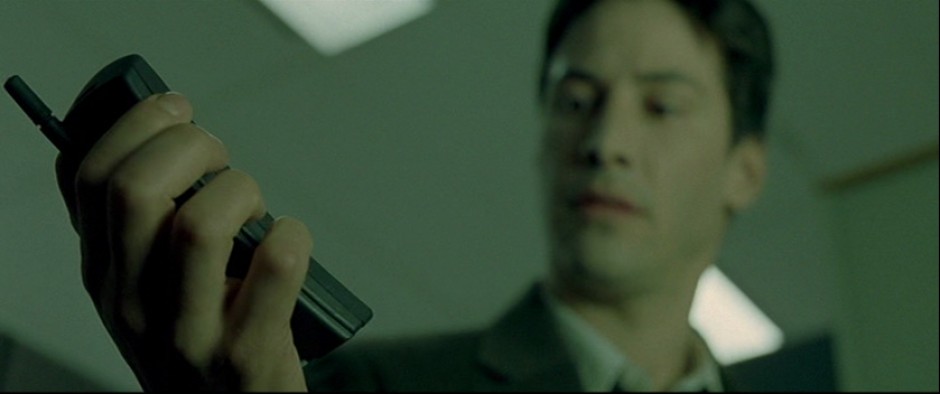
Other colors can be used to create a sense of unease, like something isn’t right. The Matrix, for example, was decidedly green.

matrix
Image Source
Knowing the Toolkit: Skilled cinematographers, of course, can also use these techniques ironically or to create a new meaning with juxtaposition. One example is flash photography.

Flash Photo

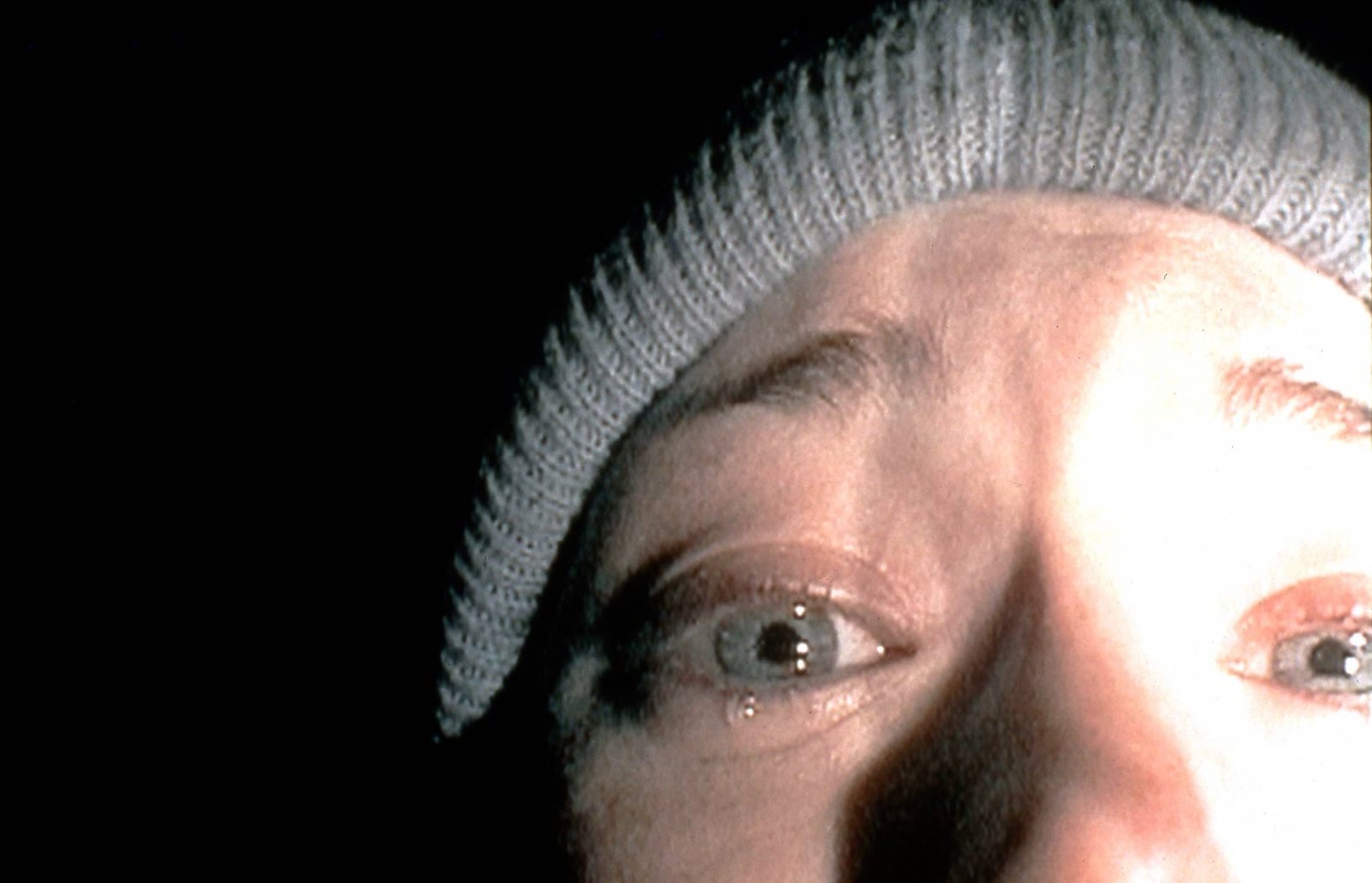
You get this effect by having a harsh, bright light source right next to the camera (as you would on a disposable camera or smartphone). Things close to the camera (like faces) get washed out, while the background is underexposed. It also creates harsh shadows. (Look at the distinct black line on the left side of the red coat). It looks amateurish. But if you want your project to look like it was made by amateurs, this is your ticket. Thank you, Blair Witch Project.
blair_witch
Image Source

One Final Thought

When you think about it, all movies, all TV shows, all video games, every viral video you watch on your phone is really a manipulation of light on a screen. The realty – the screen – remains unchanged. The meaning comes from your mind’s interpretation of that light and the story it creates. Controlling that light is the difference between staring at static and touching an audience.


*The “key” in “low key” and “high key” refers to the “key light” or main light source.

Lights, Camera, Action! (Part 1)

What is it with films and lighting? It’s right there, number 1 in the most cliched of all Hollywood phrases*. And if you’ve ever been on a film set, you know that the vast majority of time is spent lighting and relighting the scene. But why?

Visual Medium

At its basic level, film (and the modern equivalent of digital video) is actually a way of recording and preserving light. So while we think of films as epic stories with huge budgets and special effects, it’s really a specific kind of recording device. On a technical level, you could compare film to taking a plaster impression of an animal print or recording tremors with a seismograph.

person holding camera film
Photo by Luriko Yamaguchi on Pexels.com

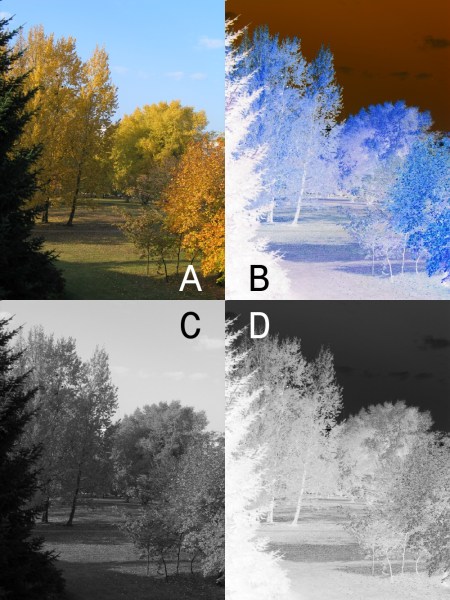
For those of you old enough to remember developing photos from 35mm film, this is “film” at its most basic. Photons bounce off an object, are focused by a lens onto the film, activate photo-reactive chemicals, and leave an impression. The film is then developed into a negative, and the negative is used to produce the positive picture.

Pozytyw_i_negatyw
Image Source

The thing is, that 35 mm film from your disposable CVS camera is actually the same film used in movie cameras and was essentially unchanged for 100 years. Today, the process is digital, but essentially your iPhone and a professional movie camera work the same way. And it’s all about capturing light. 

What are we waiting on?

So why does it take so long to light a film set? There’s a problem between seeing and seeing. Your brain plays probably about the same role in sight as your eyes. Yes, your eyes perceive light, but your brain needs to decide what to focus on (literally and figuratively). In addition to actual focal distance, it must determine proportion, patterns, colors, shapes, and movement. Are you looking at a cat or a lion? Or a toy lion? Or a picture of a lion? 

Our brains concentrate on only one small part of what we actually see. But when a filmmaker sits you in a darkened room and projects an image 30 feet tall and 100 feet wide, they need to direct your attention. They have to be sure what they are showing you is more interesting than the exit sign in the corner of the theater or that weird haircut on the guy two rows in front of you.

1007530832-Dipson-McKinley-Mall-4-Cantillon
Image Source

Just to be clear, your director of photography and the camera are taking the place of the two most complex organs in the human body. This involves framing shots appropriately, dressing and costuming appropriately, and making sure the correct subject matter is in focus. And it also involves a LOT of lighting. 

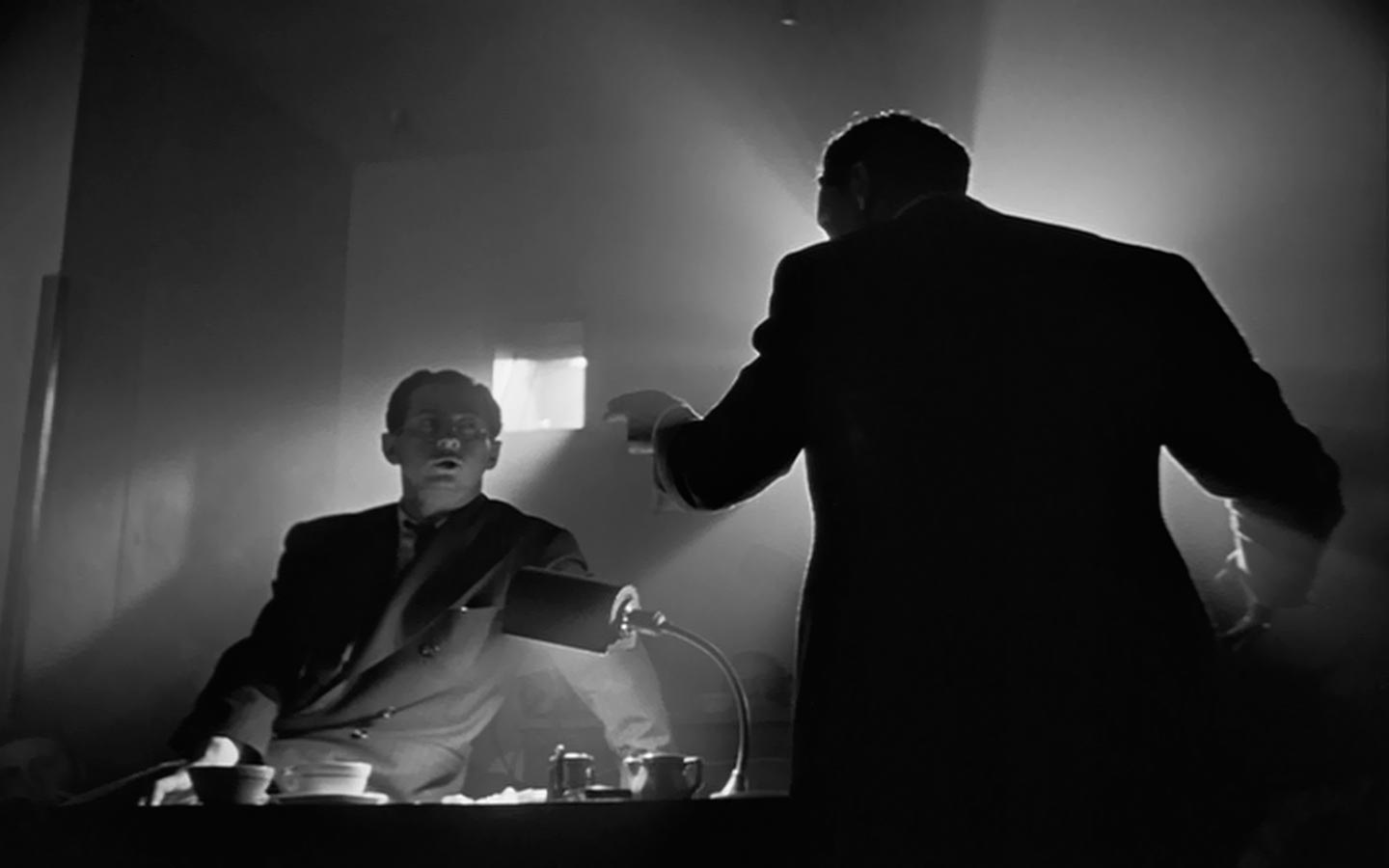
Consider this shot from Citizen Kane.

Citizen-Kane
Image Source

It’s both simple and incredibly effective. The main sources of light come from the back of the room, creating a hard silhouette of both subjects. They are both easy to see while also being obscured. The light beams add a sense of depth, while the desk lamp fills in some of the void. That way we aren’t merely looking at silhouettes.

This shot required critical placement of the lights, camera, and actors. The lights had to be focused and balanced in intensity so the desk wasn’t too dark or the beams too bright. Smoke or fog played a critical role in creating those beams, too.

Physics of Photography

Whether you’re taking photos at a wedding or shooting a film for Spielberg, everyone’s playing by the same rules. Light and film have certain properties and limitations. A lot of cinematography is understanding these limitations and finding a way to get the look you want with the tools you have.

Concentrate! 

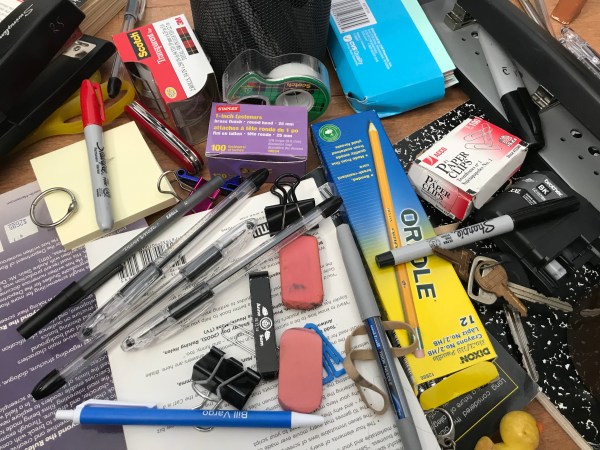
There can be a lot of stuff in a scene: actors, props, sets. How does your audience know where to look? Light, of course. Here’s a very messy photo from my office.

IMG_7228

Now where did I leave that fine point black Sharpie? When I change the lighting, it’s a little easier to see. sharpie

Exposure

Ever had an annoying camper shine a flashlight in your eyes in the middle of the night? First, it’s painfully bright. Then it takes your eyes a few seconds to readjust to the darkness. Your irises make minor adjustments constantly, and because it happens so fast, you don’t usually notice. What happens if you’re filming a scene that includes very bright and very dark parts?

Here, Phillies Bear and Phanatic Pillow Pet are very excited to watch the Phillies (currently number 1 in the NL East!), but the problem is, the window behind them is grossly overexposed.

Philly overexposed

If we set the exposure for outside, it looks like they are sitting in a black hole.

underexposed

The solution is to add light inside the room or take light away outside (most likely by putting filters on the windows). Either way, it’s going to involve some lighting.

Inverse Square

The intensity of lights decreases as you get further away. Not by a little, but by a LOT. In fact, light follows the inverse square law. That means if you double the distance between your subject and your light source, but want to keep the same light intensity, you need to quadruple your lighting power. Bigger shot? More lights.

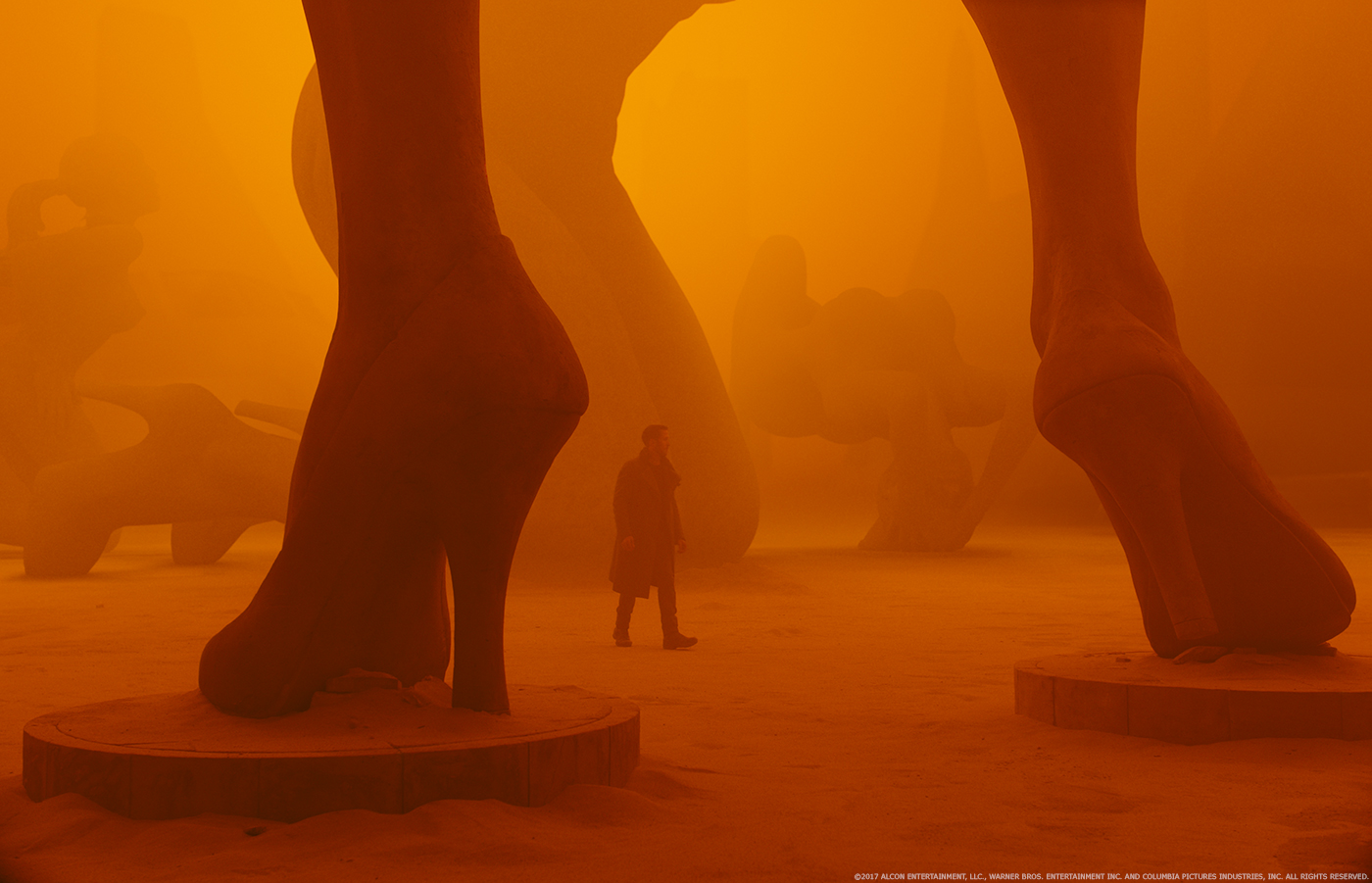
How many lights did it take to illuminate this post-apocalyptic set from Bladerunner: 2049?


BladeRunner2049_Framestore_ITW_06A
Image Source

Well, start counting.

BladeRunner2049_Framestore_ITW_06B
Image Source

You’re out of your depth. 

Lighting adds a sense of depth to a scene. After all, we see in three dimensions, but movie screens are flat. If there were no depth, everything would look like a cartoon. In the shot from Bladerunner: 2049, you can see the silhouette in the foreground, our actor in the middle distance, and hazy ruins in the background.

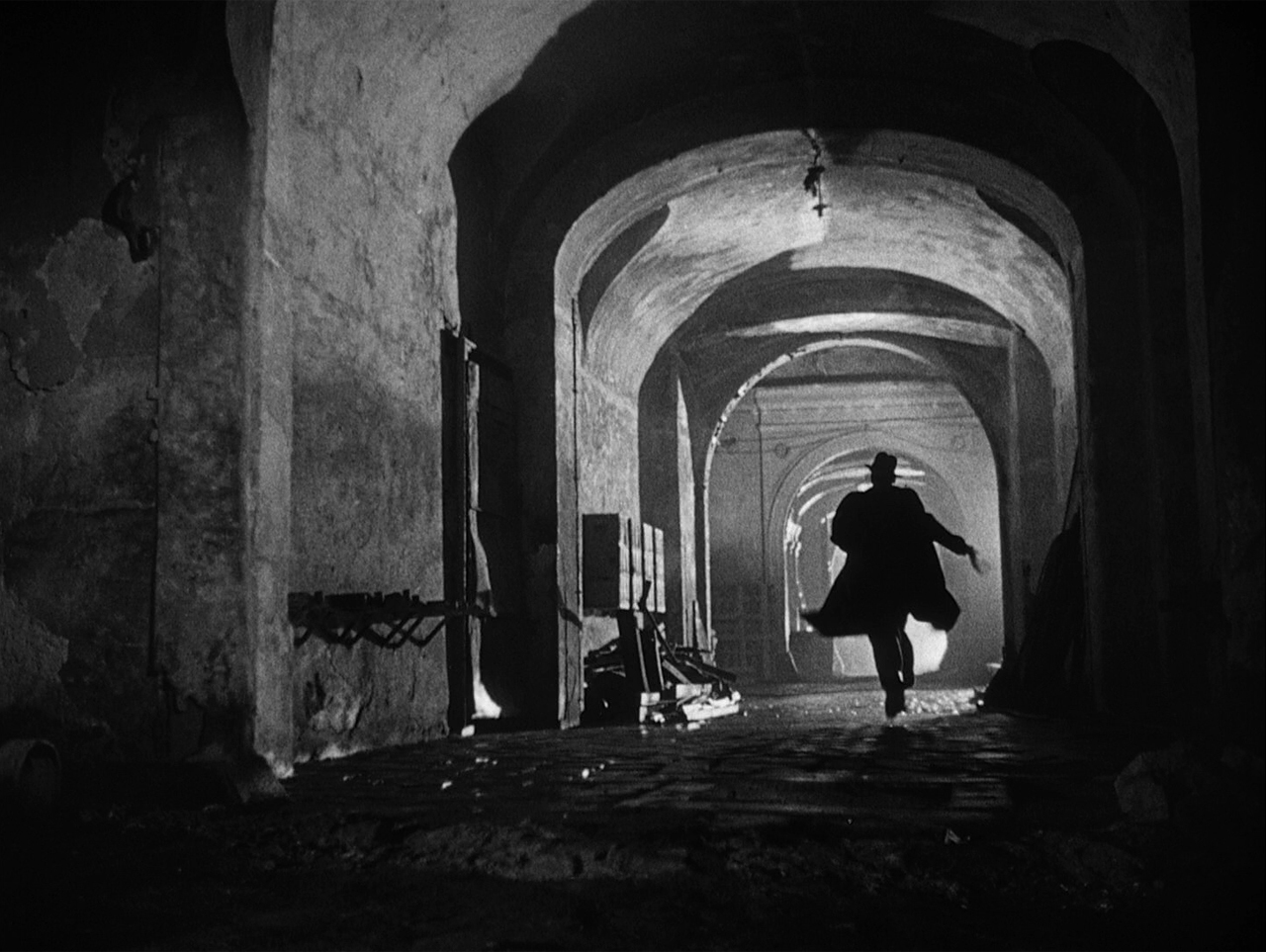
This shot from The Third Man, shows the depth of a tunnel. Even as a still frame, you get a sense of the dimension.

the-third-man1
Check out this image source for a great post about depth with lighting

Today, many movies are shot in 3D, but lighting still plays a critical role in creating the space for a scene.

Next Time…

That covers some of the technical hurdles that go into lighting a scene. In the next post, I’ll cover some of the other things a director of photography considers on a set.


*The phrase “lights, camera, action” was probably never used to get a film crew rolling. Even today, lights take a while to warm up. There is also some dispute about the origin of the phrase. In reality, the dialogue before a take goes something like this:

1st Assistant Director: “Let’s roll.”

Production Assistants: “ROLLING!”

Sound department: “Sound speeds.”

2nd Assistant Cameraman: “101 take 1. A mark.” (Hits slate.)

Camera Operator: “Set.”

1st Assistant Director: “And… Action.”